Exploring the Vibrant World of Samba: A Journey into Brazilian Online Gaming
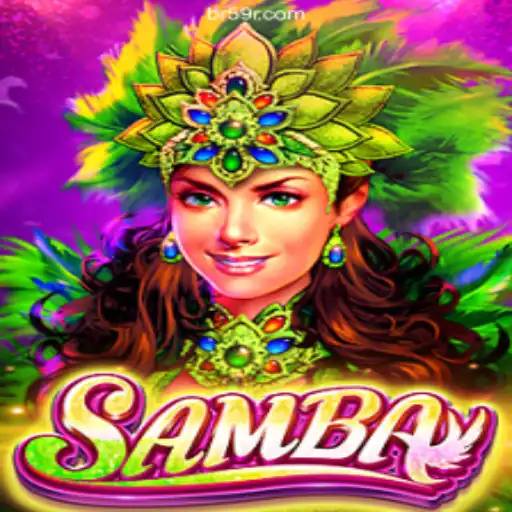
Discover the Exciting World of Samba: A Vibrant Online Gaming Experience
If there's one word that encapsulates the essence of Brazilian culture, it would be 'Samba.' Known globally for its dynamic dance form and rich traditions, Samba offers a pathway into the heart of Brazil's lively spirit. Now, with the digital age revolutionizing the entertainment landscape, a game aptly named Samba invites players into a virtual world where the music and movement of this culture come alive. At the core of its intrigue is its nature as an online game offering, waiting to be discovered by gaming enthusiasts around the world.
An Introduction to Samba: A Game for the Ages
The game Samba transports players to a vivid online arena where they immerse themselves in challenges and narratives inspired by Brazilian folklore and modern-day excitement. One of the fundamental aspects of Samba is its commitment to mirroring the vibrancy of its namesake dance. This is achieved through colorful graphics, a pulsating soundtrack that echoes the beats of traditional Brazilian music, and gameplay that encourages rhythmic interaction.
As gamers move through different levels, they encounter various characters and storylines that enrich the experience. Each narrative brings historical and contemporary Brazilian tales to life, offering both entertainment and a captivating insight into a culture that thrives on color and sound. The game's environment is designed to simulate the festa-like atmosphere of Brazil, inviting players to participate, explore, and enjoy.
How to Play Samba: Rules and Gameplay
Getting started with Samba is as engaging as it is straightforward. Upon entering the game, players are introduced to a tutorial that walks them through the basics of gameplay. The objective is simple: groove to the rhythm, complete challenges, and earn rewards. Each level presents unique trials that align with the thematic elements of Brazilian festivals and traditions.
The primary mode of engagement in Samba is timed rhythmic challenges, where players must tap and swipe in sync with the music. This requires quick reflexes and a keen ear, emphasizing the harmony between player movements and the game’s soundtrack. Successfully matching the rhythm earns players points, which can be accumulated to unlock new levels, enhance character abilities, and engage with exclusive game content.
A distinctive feature of Samba is its multiplayer mode, allowing participants to pair with friends or connect with gamers globally. This enhances the social element, encouraging players to form teams, participate in dance battles, and climb leaderboards. This element taps into the communal and celebratory nature of Brazilian culture, fostering a sense of camaraderie and competition.
The Cultural Significance of Samba in the Digital Age
Samba is more than just a game; it is a culturally immersive experience. It reflects the global appreciation of Brazilian art forms and the desire among gamers to engage with diverse narratives. In this era of global connectivity, where cultural borders blur, Samba transcends its digital confines to promote cultural understanding and unity.
This game also comes at a particularly interesting time within the Brazilian gaming industry. As reported by various industry surveys, Brazil boasts a rapidly growing community of gamers and developers. This boom is attributed to improved internet access and increased mobile device usage across the nation. Samba fits perfectly within this context, aligning itself with the contemporary wave of digital cultural export.
Current Developments and In-Game Events
Samba continues to evolve with regular updates that introduce new features and events. The ongoing development ensures that the game remains challenging and fresh for returning players. Recently, autumn-themed events have captured the attention of many, weaving traditional Brazilian harvest festivals into the game. Players can engage in limited-time challenges, collecting exclusive items symbolic of Brazil's natural beauty and heritage.
Such events are also an indicator of the seasonal rhythms that govern Brazilian life, drawing players further into the authentic elements of their experiences. These updates not only enhance gameplay but also educate players on the cultural nuances that might otherwise be unfamiliar to them.
Moreover, Samba’s developers frequently involve the gaming community in their process, seeking feedback to shape the future of the game. This open dialogue has led to improvements and innovations, all driven by player-led insights. This engagement underscores an increasingly popular trend in game development, where active player participation shapes the trajectory of content.
In conclusion, Samba is a definitive example of how games can be conduits for cultural exploration. Its engagement with Brazilian themes and integration of festive, rhythmic gameplay provides a unique digital experience, appealing not only to avid gamers but also those looking to explore new cultural landscapes from the comfort of their screens. As Samba continues to captivate audiences worldwide, it stands as a testament to the power of online gaming as a bridge between worlds, enhancing global understanding, and celebrating the art of play.
